MGSRWAProject Profile
Mongolia Smart Farm
This asset is a smart-farm-based vegetable production project in Mongolia designed to replace imports.
Based on project provided data · Expected rate of return is not a confirmed return.
 Smart Farm
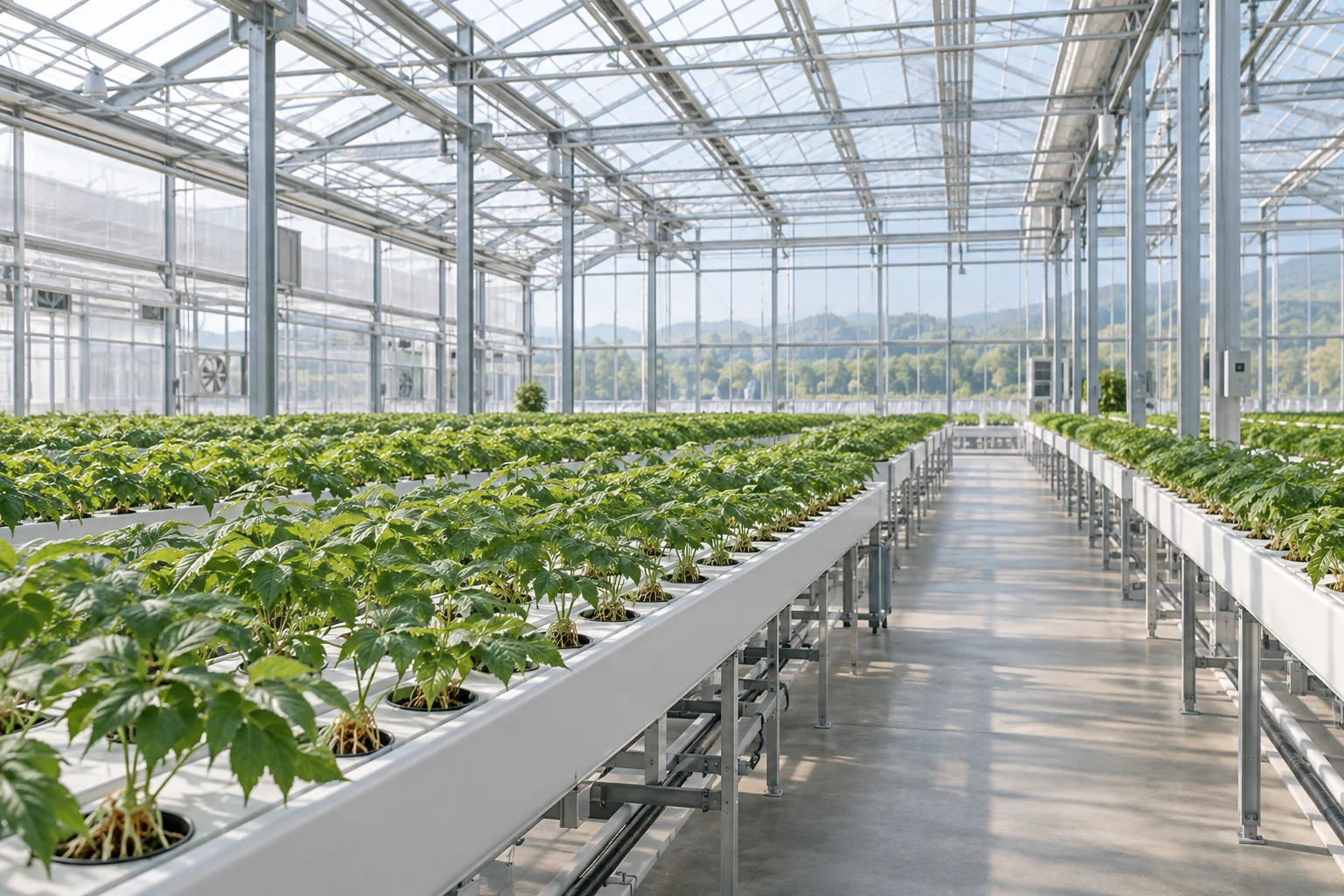
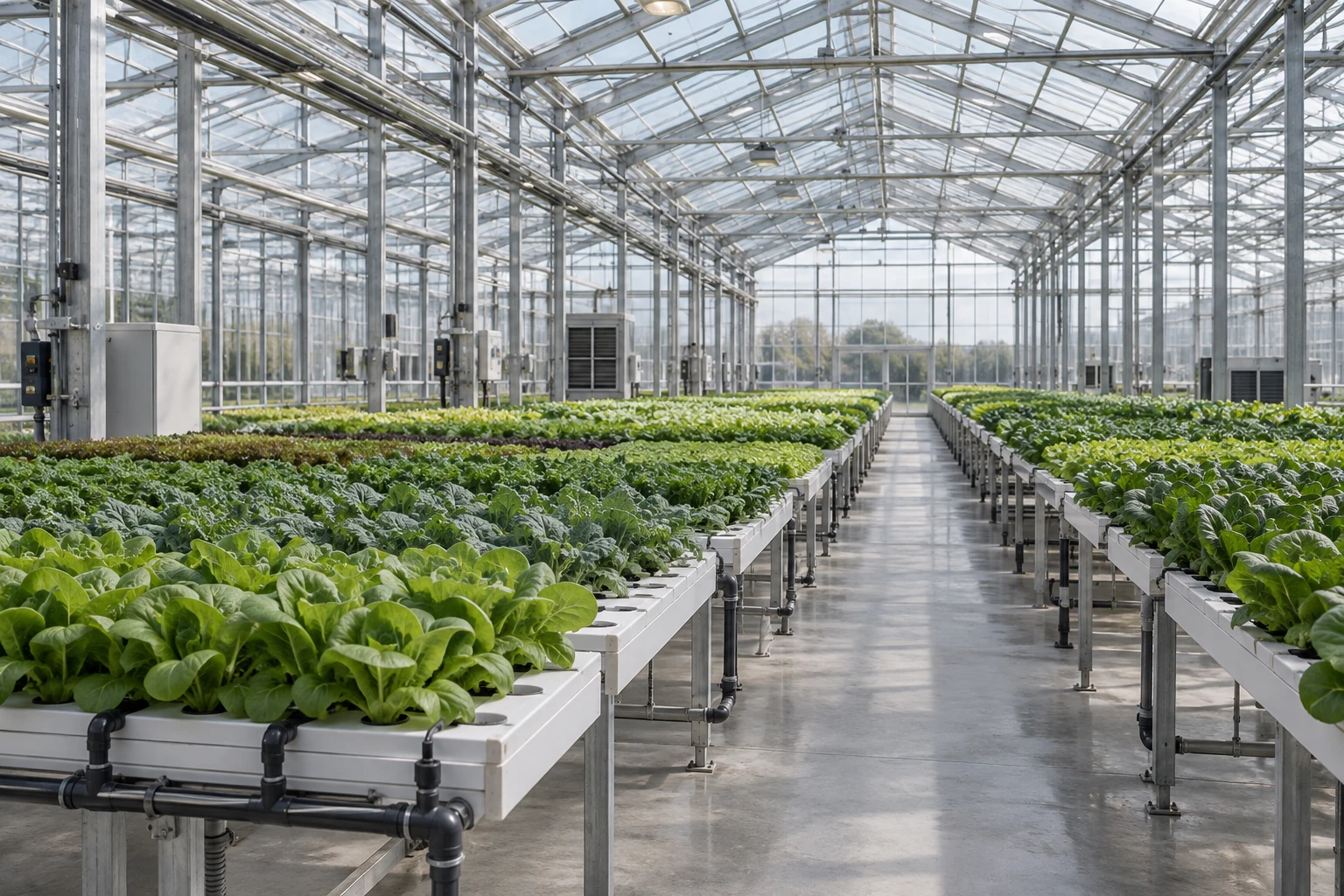
AI concept image. Not a photograph of the actual asset.
Real-world value.
New possibilities.
Project Overview
This asset is a smart-farm-based vegetable production project in Mongolia designed to replace imports. It produces cabbage, cucumbers, tomatoes, and strawberries year-round, targeting annual revenue of approximately MNT 48.9 billion with an estimated net profit margin of about 30%.
Business Overview
This asset is a smart-farm-based vegetable production project designed to reduce Mongolia’s dependence on imported fresh vegetables and establish a stable domestic supply system. Due to climatic limitations, Mongolia imports key vegetables such as leafy greens, cucumbers, and tomatoes, primarily from China, resulting in supply instability and price volatility. The project addresses this structural challenge through controlled-environment agriculture. The annual production targets are 4,000 tons of cabbage, 2,000 tons of cucumbers, 2,000 tons of tomatoes, and 500 tons of strawberries, with projected annual revenue of approximately MNT 48.9 billion. Assuming an operating net profit margin of 30%, the expected annual net profit is around MNT 14.6 billion. The revenue model relies on domestic distribution networks, with the smart farm’s year-round production mitigating seasonal supply risks. Leafy greens and cabbage have short cultivation cycles, enabling fast production turnover and quicker capital recovery. Cucumbers and tomatoes combine high consumption volume with strong market prices for revenue stability, while strawberries offer premium margins and product differentiation. The project’s core competitiveness lies in its climate-independent production system and import-substitution market structure. By precisely controlling temperature, humidity, light, and irrigation, production continues even during Mongolia’s harsh winters, reducing climate risk and improving yield predictability. Local production also lowers transportation costs, enhances freshness, and stabilizes domestic prices. Beyond agriculture, this project serves as strategic food supply infrastructure, securing stable demand, supporting long-term cash flow, and providing a foundation for sustainable investment.
The Details.
See the Project.
Project introduction video/data imageExplore the documents.
Discover the details.
This is a project-provided document that confirms the project structure and evaluation basis.